






A few jobs in late fall prevent the most common winter problems, from ice dams to frozen pipes. Here is where to start.
Winter is hard on a property. Ice, snow, freezing rain and long stretches of cold weather find every weak spot, and small problems that were easy to ignore in October become urgent in January. The good news is that most winter trouble is preventable with a few jobs done in late fall, before the first real storm.
Not every property sees the same winter. Where winters are snowy, the focus is ice, plowing and frozen pipes. In milder or warm climates, winter is more about heavy rain, wind and the occasional hard freeze that catches people off guard. The advice below is organized so you can take what applies to you and skip what does not.
When should you start preparing your home for winter?
The best window is the few weeks after most leaves have fallen but before overnight temperatures settle below freezing. Where winters arrive early, that can mean mid-fall. In warmer regions, you have more time, but it still pays to finish outdoor work before the rainy season starts.
Starting early also matters for scheduling. Gutter cleaning, snow removal contracts and storage services tend to book up as the weather turns, so planning ahead gives you more choice about when the work gets done.
Why clean gutters before winter?
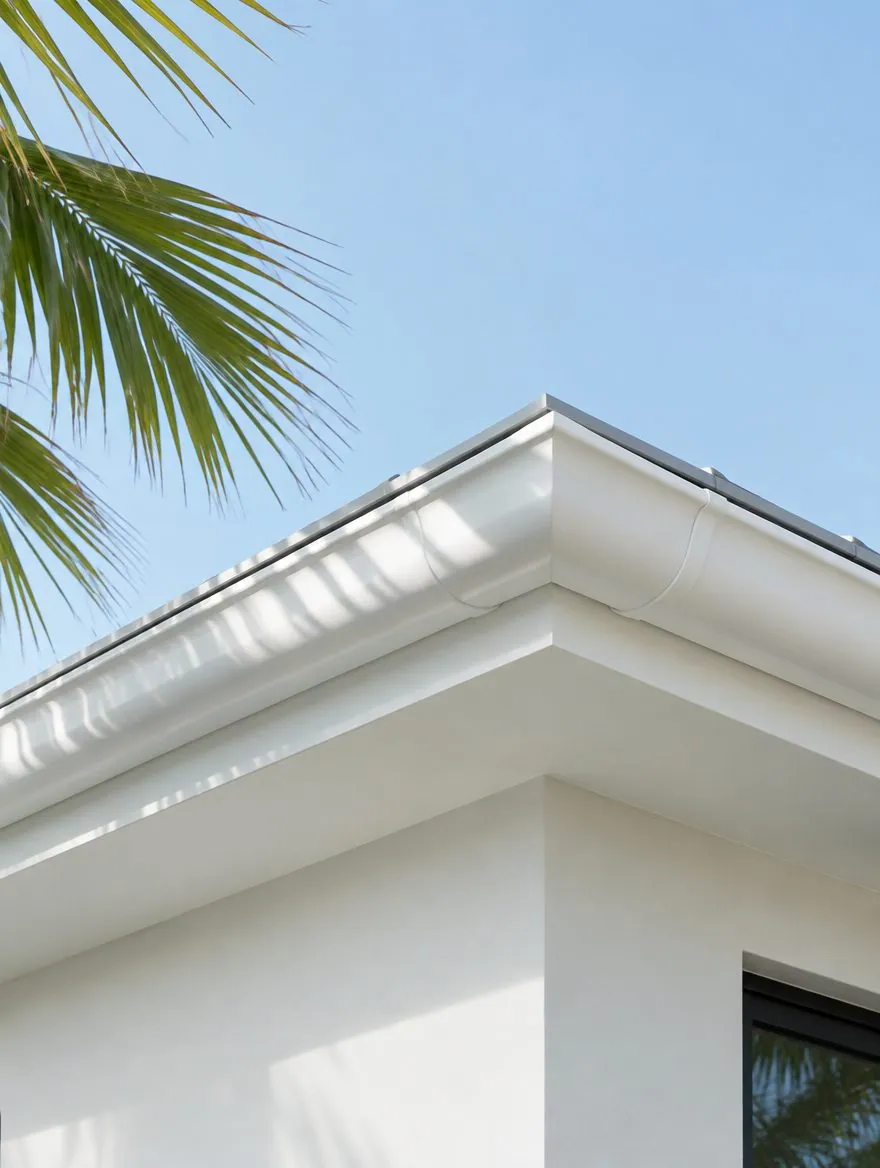
Gutters are the single most important winter job on most homes. When they are packed with leaves and debris, water from rain or melting snow has nowhere to go. It backs up under shingles, spills over the edge and soaks the ground next to the foundation.
Where winters are snowy, clogged gutters are a leading contributor to ice dams. Heat escaping through the roof melts snow, the water runs down to the cold edge, and it refreezes in the gutter. The ice builds into a ridge that traps more water behind it, which can then work its way under the roof and into walls and ceilings.
Clean gutters after the last of the leaves have dropped, and make sure downspouts are clear all the way through and discharge several feet away from the house. If you have tall trees nearby, a second cleaning late in the season is often worth it.
How do you protect pipes and outdoor plumbing from freezing?
Frozen pipes are one of the most disruptive winter problems because water expands as it freezes and can split a pipe from the inside. The damage often shows up only when things thaw. A few simple steps go a long way, and they apply even in warm climates, where a single cold snap can catch exposed plumbing unprotected.
- Disconnect, drain and store garden hoses
- Shut off and drain outdoor spigots if your home has interior shutoff valves
- Insulate exposed pipes in garages, crawl spaces and attics
- Drain and winterize irrigation systems before the first hard freeze
- Know where your main water shutoff is in case a pipe does burst
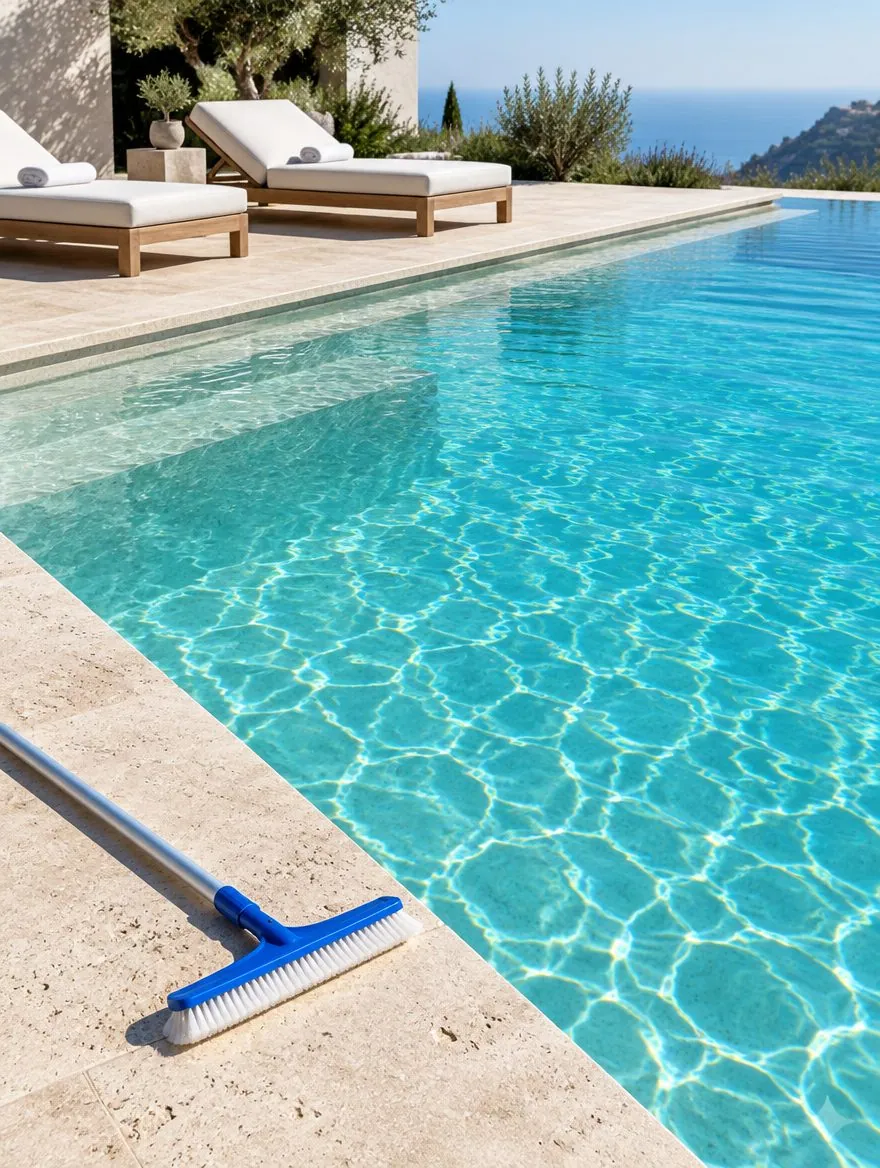
If you have a pool where winters are cold, it needs to be properly closed and covered. In warm climates, pools usually stay open, but a cleaning before the cooler months helps keep the water balanced while you are using it less.
What should you do about snow removal before the season starts?
Do not wait for the first storm to find someone. Snow removal schedules fill quickly once the forecast turns, and the providers with the most reliable crews are usually committed well before the first flake.
When you set up service, agree on the details in advance: what triggers a visit, which areas are cleared, and whether walkways and steps are included or only the driveway. Clear expectations prevent frustrating mornings.
- Book snow removal before the season starts
- Mark driveway and walkway edges with reflective stakes
- Move anything that could be hidden under snow, such as hoses, planters and decorations
- Keep a supply of salt or ice melt near the door for walkways and steps
- Check that exterior lights work, since winter days are short
How do you store patio furniture, grills and outdoor equipment for winter?
Outdoor furniture, grills and equipment all last longer when they go into storage clean and dry. Dirt, pollen and food residue left over the winter can stain surfaces, and trapped moisture leads to mildew.
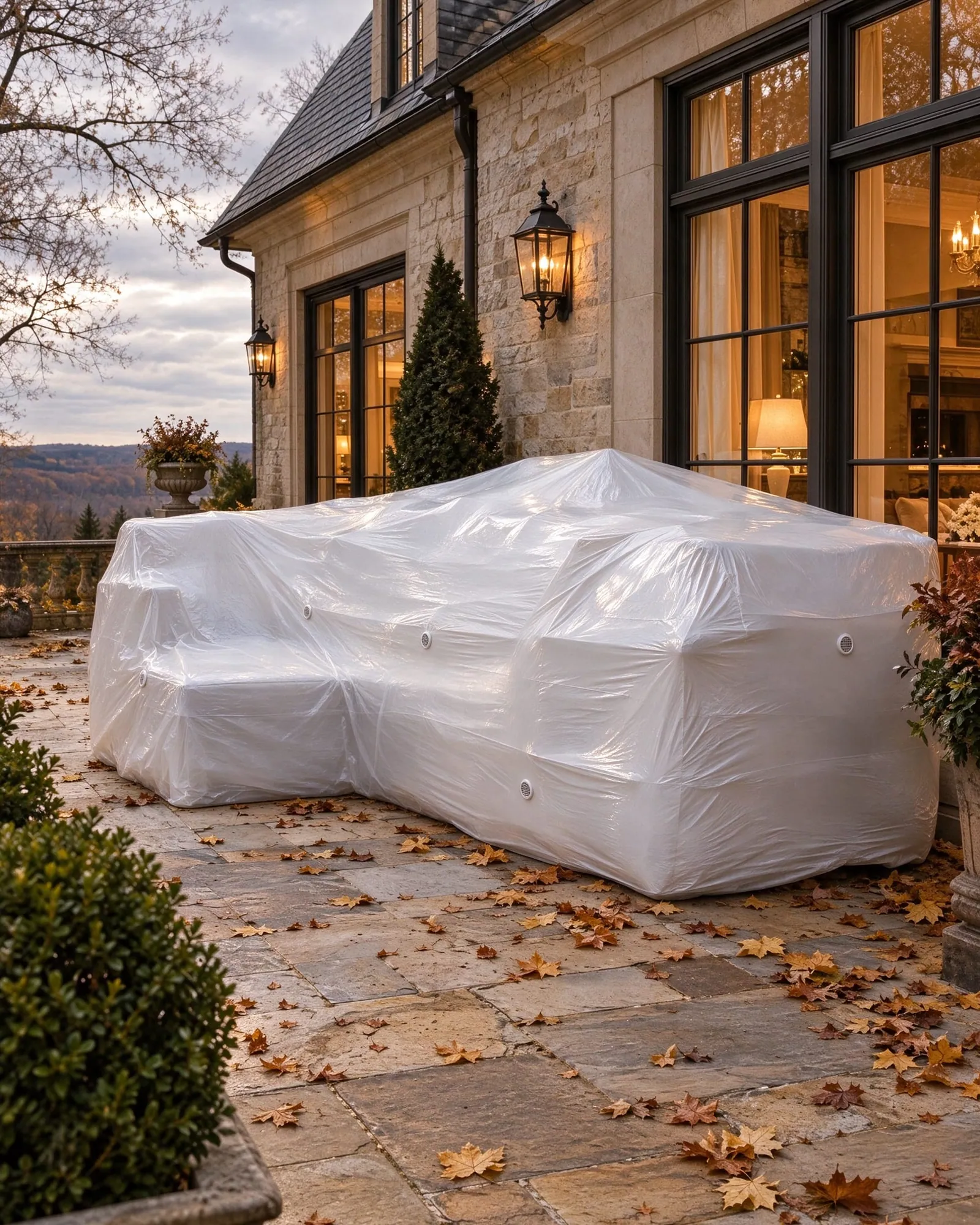
Clean and dry cushions before storing them indoors. Give the grill a proper cleaning so grease is not sitting on the grates for months. For patio furniture, grills and outdoor equipment that stay outside, professional shrink wrapping creates a tight, weather-resistant cover that sheds snow and keeps water from pooling. A loose tarp, by contrast, tends to collect water and flap in the wind.
What indoor jobs matter most during heating season?
When the heat comes on, your home closes up and the air inside gets recirculated for months. That makes indoor air quality and fire safety more important than at any other time of year.
Change HVAC filters every one to three months, depending on the filter type, pets and household size. Have dryer vents cleaned at least once a year. Lint builds up inside the vent line over time, restricting airflow and creating a fire risk, and dryers tend to run more often in winter. If your ducts have not been looked at in years, or you notice dust returning quickly after cleaning, a duct cleaning before heating season can help.
A simple winter prep checklist
- Clean gutters and downspouts after the leaves drop
- Drain hoses, spigots and irrigation lines
- Close the pool, or clean it before the cooler months in warm climates
- Book snow removal where winters are snowy
- Clean and store patio furniture and the grill
- Shrink wrap patio furniture, grills and outdoor equipment that stay outdoors
- Change HVAC filters and clean dryer vents
- Hang holiday lights before the ground freezes or the weather turns
Thoro Clean can handle most of this list in one place. We schedule the work with a vetted, insured local partner pro, send photos when each job is done, and back every visit with our 7-Day Service Guarantee, so if something is not right, you tell us within seven days and we make it right.