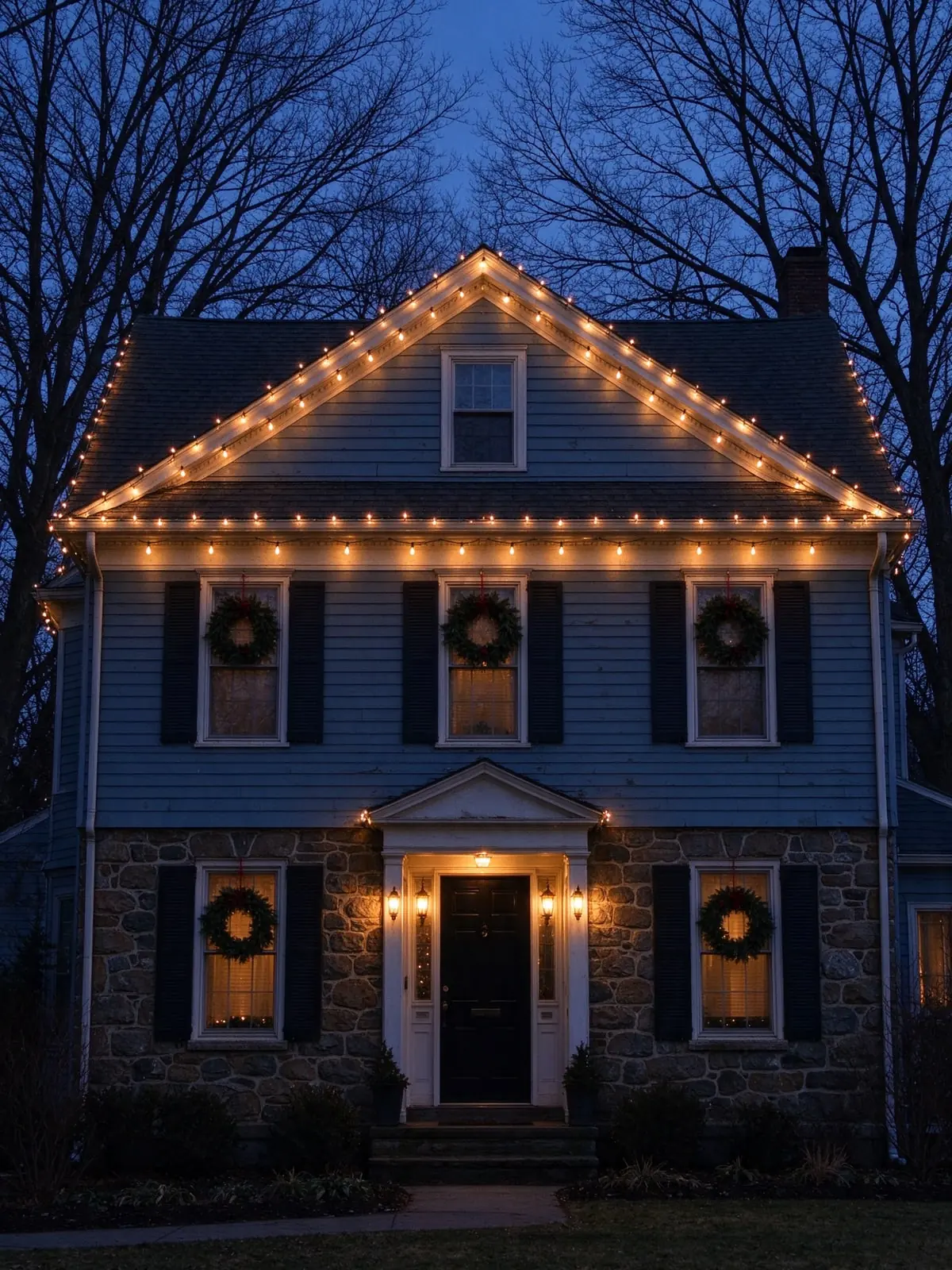
From the first design conversation to take-down after the season, here is how professional holiday light installation works and how to plan for it.
Holiday lights are one of the easiest ways to make a home feel special for the season. Hanging them is another matter. It means ladders, rooflines, extension cords, clips that do not fit and an evening of figuring out why one strand will not turn on. Then, a few weeks later, it all has to come down again.
Professional holiday light installation takes all of that off your list. If you have never booked it before, here is what the process usually looks like, what to decide ahead of time and how to get the most from it.
When should you book holiday light installation?
Earlier than you might think. Installation calendars fill quickly once the season starts, and the most popular dates are the weeks around Thanksgiving. Booking several weeks before you want the lights up gives you the best choice of dates.
Installing before the cold sets in has practical benefits too. Rooflines and ladders are safer to work on in mild, dry weather, and the lights can simply stay off until you are ready to turn them on.
Step one: the design conversation
Good installation starts with a plan for your specific home. The conversation usually covers:
- Which rooflines, peaks and gutters you want outlined
- Trees, palms, shrubs or railings you want wrapped or lit
- Warm white, cool white or color, and steady or twinkling
- Where outdoor outlets are and how the lights will be powered
- When you want the lights on each evening
Photos of the front of your home make this much easier. If you have seen a look you like on a neighbor's home or online, share it. It is the fastest way to explain what you have in mind.
Step two: installation day
On installation day, your pro hangs the lights along the agreed lines, secures them with clips suited to your roof and gutters, and runs the connections to your power source. Clips matter: they hold lights straight and secure without nails or staples that can damage shingles, trim or gutters.
Before leaving, the display is tested so you can see it working. This is the right moment to ask about the timer, how to switch everything on and off and who to contact if a section goes dark.
How to prepare your home for installation
- Clear the driveway and the areas where ladders will stand
- Make sure outdoor outlets are accessible and working
- Point out anything fragile along the roofline, such as satellite dishes or vents
- Mention any community rules about displays or installation dates
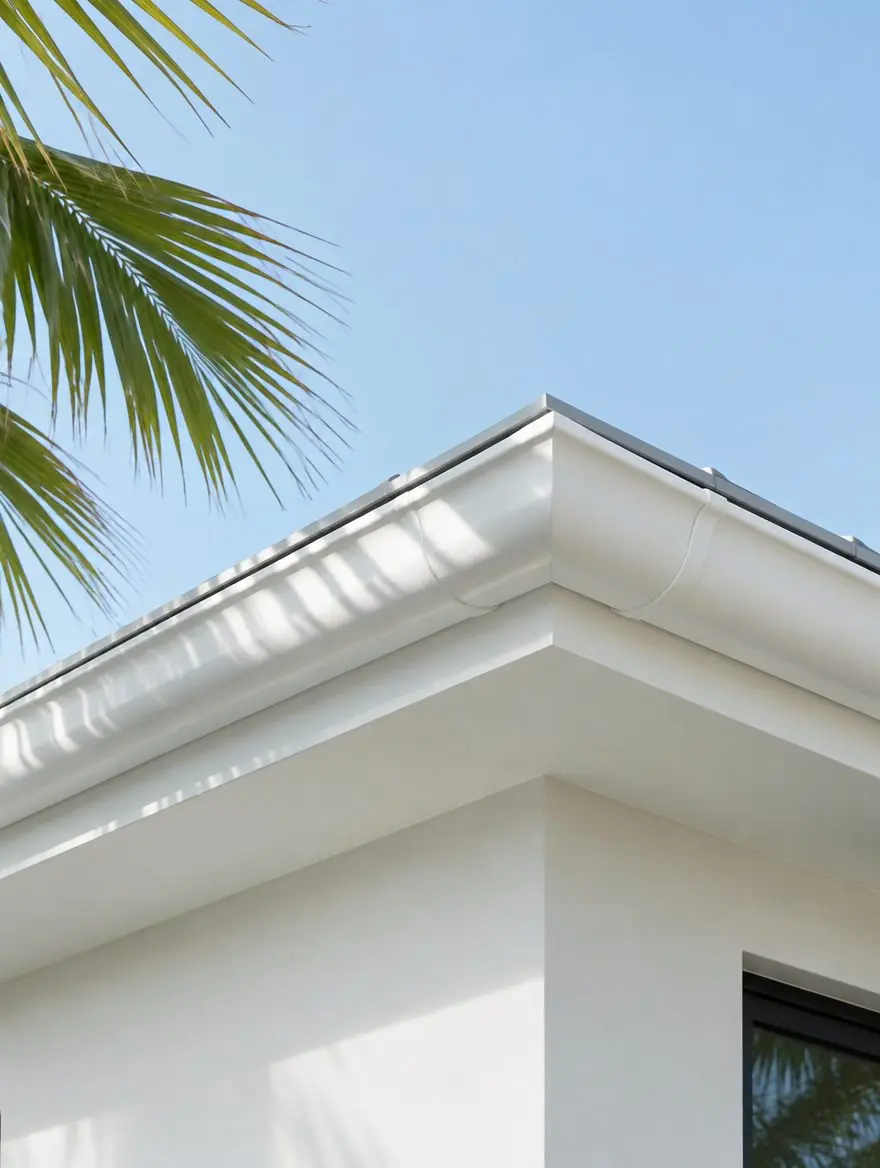
- Clean the gutters first if they are full, so lights are not clipped over debris
That last point is easy to miss. Lights are often clipped to the gutter edge, and gutters packed with leaves can overflow or freeze while the lights are up. Clearing them first keeps the display looking clean and the gutters working all season.
Roofline, trees or both: choosing what to light
You do not need to light everything to make an impression. A clean roofline outline is the classic starting point, and on its own it makes a home look finished and welcoming from the street. Wrapped trunks, palms or porch columns add depth, and lit shrubs or walkway edges draw the eye toward the front door.
If you are not sure where to start, choose one or two features you love most and light them well, rather than spreading lights thinly across the whole property. A focused display usually looks more polished, and it is easy to add to next year.
Think about how the home is seen, too. Most people view it from the street or the driveway at night, so the front elevation and the path to the door matter most. Side and rear areas can stay simple unless you entertain outdoors during the season.
What happens if lights stop working mid-season?
Weather, wind and the occasional curious animal can knock out a section of lights. It is worth asking at booking what happens if part of the display goes dark during the season, so you know how to report it and what to expect.
In the meantime, a quick check of the timer, the outlet and any outdoor breaker often solves the simple problems on its own.
Take-down after the season
Take-down is the part most people forget to plan, and the one they least want to do in the cold of January. Booking it together with installation means the lights come down on schedule, the clips come off cleanly and the roofline goes back to how it was.
Ask when take-down is scheduled and whether you want the lights left with you or packed away for next year. A tidy take-down makes next season's installation faster too.
How Thoro Clean handles it
Tell us what you would like lit and send a few photos of your home. We confirm your price and dates before anything is scheduled, and a vetted, insured local pro designs, installs and takes down your lights, so you never have to climb a ladder. If your gutters need clearing first, we can schedule that on the same request. Every visit is backed by our 7-Day Guarantee: if something is not right, tell us within seven days and we make it right.