



Both clean the outside of your home, but they work very differently. Here is which surfaces need which method, and why it matters.
Pressure washing and soft washing both leave the outside of a home looking clean, so it is easy to assume they are the same thing. They are not. One relies on force, the other relies on a cleaning solution, and using the wrong one on the wrong surface can do real damage.
The good news is that the choice is rarely complicated once you know what each method does. This guide walks through the difference, which parts of your home need which, and what to ask before anyone sets up a hose.
What is pressure washing?
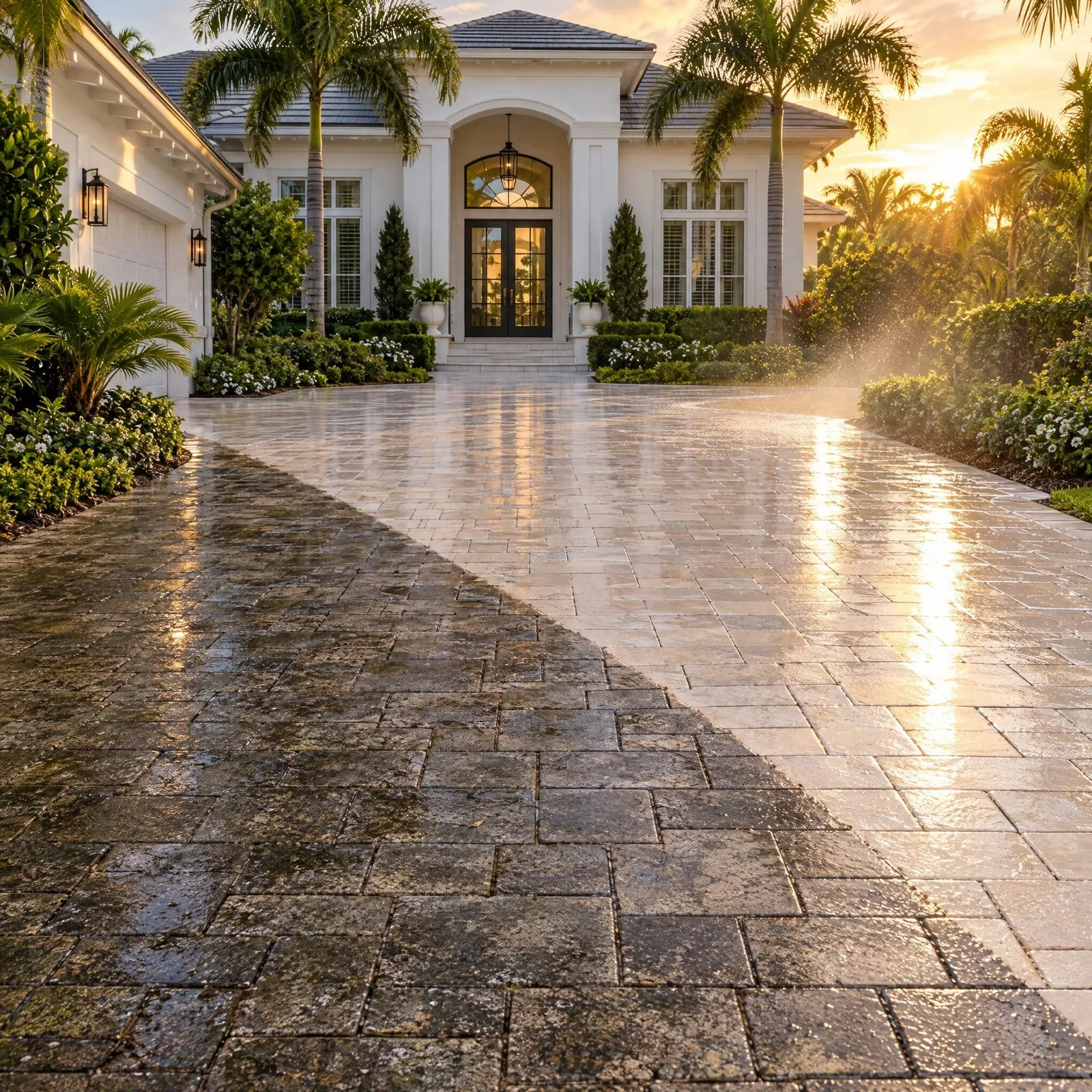
Pressure washing uses a concentrated, high-pressure stream of water to blast dirt, grime and buildup off a surface. The force of the water does most of the work. You may also hear it called power washing or pressure cleaning: the words mean the same thing. A surface cleaner attachment, which looks a bit like a floor polisher, is often used on flat areas so the result is even and free of stripes.
It works best on hard, durable surfaces that can handle that force: concrete driveways, sidewalks, walkways, pavers and some patios. These surfaces collect ground-in dirt, tire marks and grime that need a bit of muscle to lift.
What is soft washing?
Soft washing uses low pressure, closer to a garden hose than a pressure washer, combined with a cleaning solution made for exterior surfaces. The solution is applied, given time to work, and then rinsed away gently.
Instead of blasting stains off, the solution breaks down mildew, algae and other organic growth at the root. That matters because growth that is only knocked off the surface tends to come back quickly. Soft washing is the safe choice for siding, stucco, painted trim, screens and roofs, which high pressure can scar, strip or force water behind.
Put simply, here is how the two methods compare:
- Pressure washing relies on water force; soft washing relies on a cleaning solution and low pressure
- Pressure washing suits hard surfaces like concrete and pavers; soft washing suits siding, stucco, screens and roofs
- Pressure washing removes surface grime; soft washing treats mildew and algae at the root
- High pressure on the wrong surface can etch, strip paint or push water behind siding; soft washing avoids that risk
- Soft washing usually keeps organic growth away longer, because it is not just knocking it off the top
Which surfaces need which method?
Most homes need both, just on different parts of the property. A typical exterior clean uses pressure washing on the ground and soft washing on everything above it.
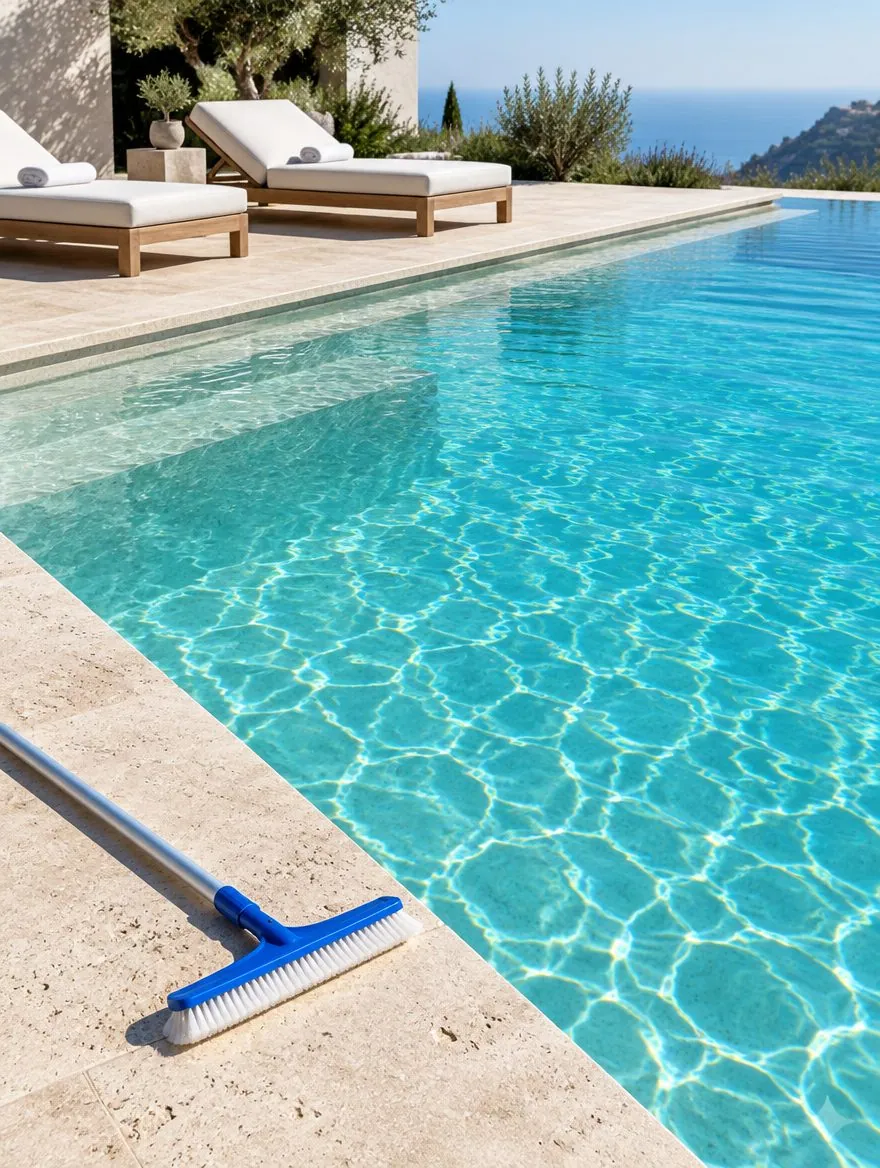
Pressure washing is generally the right fit for concrete driveways, sidewalks, walkways and many paver areas. Some pool decks and patios fall here too, depending on the material and its condition.
Soft washing is generally the right fit for vinyl, wood and fiber cement siding, stucco and brick walls, painted trim, soffits and fascia, screen enclosures, fences and roofs. Wood decks often fall somewhere in between and are best cleaned with lower pressure and care, since wood fibers can be raised or gouged.
If a surface is painted, soft, older or anything you would not scrub hard by hand, assume it needs a gentler approach.
Can pressure washing damage your house?
It can, when it is used on the wrong surface or by someone in a hurry. High pressure can etch lines into concrete if the wand is held too close, strip paint from trim, crack older mortar, tear screens and lift the granules off roof shingles.
On siding, a strong stream aimed upward can force water behind the panels, where it can sit against the wall and lead to moisture problems you may not notice for a while. On windows, it can break seals between panes.
None of this means pressure washing is bad. It means the method should match the surface. A careful pro adjusts the pressure, the nozzle and the distance for each area, and switches to soft washing where it makes sense.
Is the cleaning solution safe for plants and pets?
This is one of the most common questions about soft washing, and it is a fair one. The solutions used for house washing are designed for exterior surfaces, and a careful pro takes simple steps around them: wetting plants before and rinsing them after, watching for runoff, and working around delicate landscaping.
Keep pets and children inside during the wash and until surfaces have dried. If you have plants you are especially attached to, mention them ahead of time so your pro can give them extra attention.
How often should you wash your home's exterior?
Most homes look their best with a house wash and concrete cleaning once a year. Homes in humid or shaded areas, near the water or under trees often need it every six months, because mildew and algae come back faster in those conditions.
Roofs are different. They usually need a soft wash every two to three years, or whenever dark streaks start to return. Watching for green film on the shaded side of the house, dark streaks on the roof or grime building up on the driveway will tell you when it is time.
How to get ready for an exterior wash
- Move cars, bikes and toys off the driveway and away from the areas being washed
- Close all windows and doors, including the garage
- Make sure an outside water spigot is easy to reach
- Point out delicate plants, outdoor lighting or anything that should be worked around
- Mention rust or orange irrigation stains, since they need a separate treatment
- Keep pets and kids inside until surfaces are dry
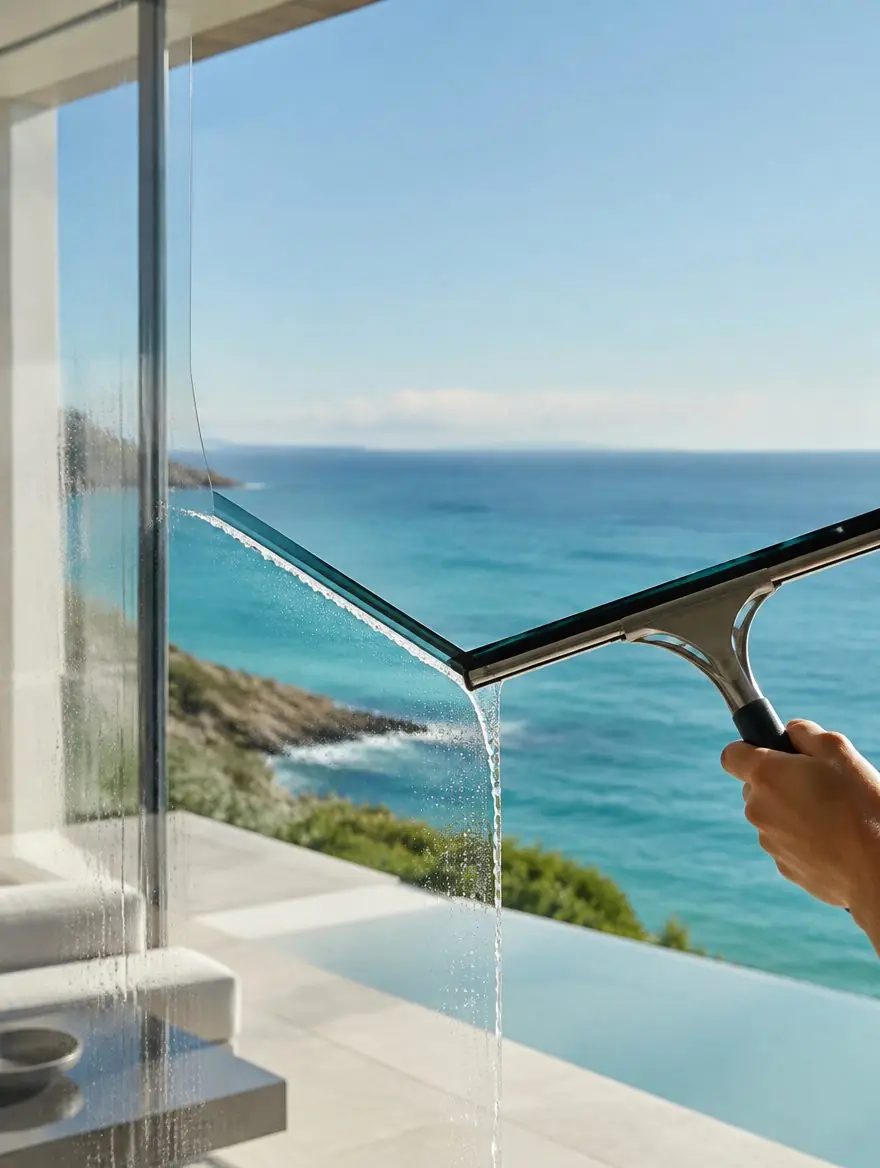
It also helps to think about order. If you are planning window cleaning, have the exterior washed first so the glass is cleaned last. If you are planning to seal pavers or concrete, the wash comes first so the sealer goes on a clean, dry surface.
How Thoro Clean handles it
You do not need to decide which method each surface needs. When you request a quote, tell us what you would like cleaned and send a few photos if you have them. We confirm your price and time before anything is scheduled, and a vetted, insured local pro does the work, using pressure where the surface can take it and soft washing where it cannot. You get before and after photos when it is done, and if something is not right, tell us within seven days and we make it right.